


A dispatch from the first e-CAN, the video-game Cup of Nations.
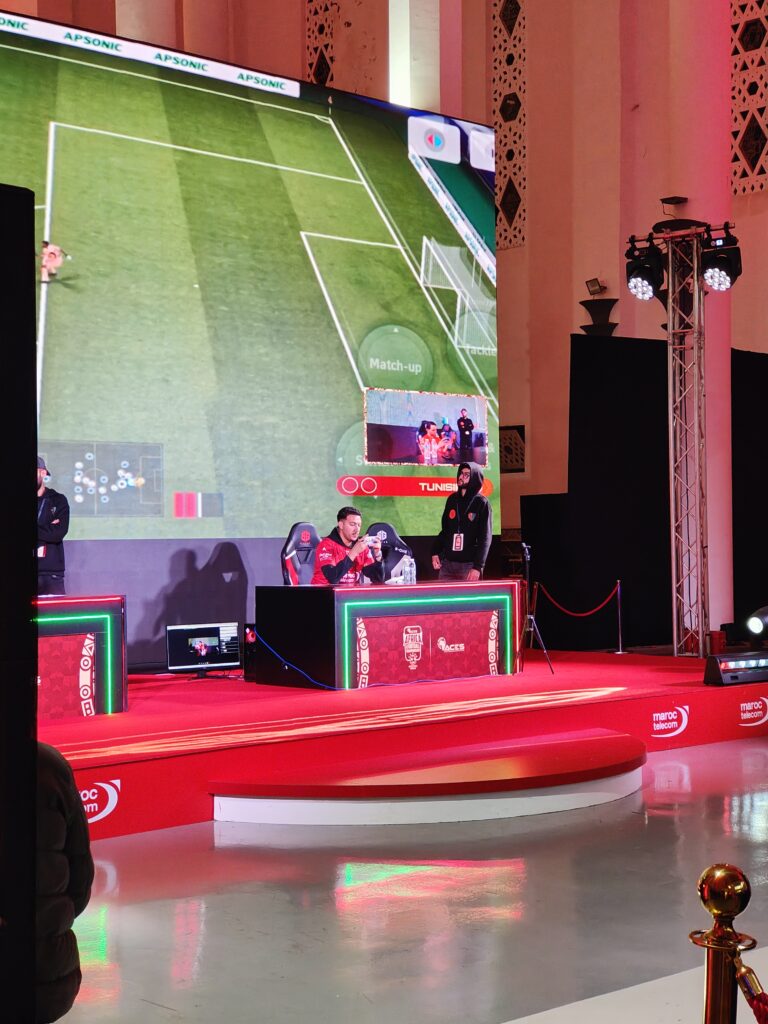
No continental debut could have asked for a finer setting. The iconic Cathédrale du Sacré-Cœur in Casablanca, Morocco, folded history and modernity under a single roof. From 15 to 16 January 2026 I watched something that has already earned its place in the record books: the first edition of the e-CAN Casablanca, the Coppa d’Africa of esports, put on by the ACDS (African Confederation of Digital Sports). It was historic on two counts. More than 40 delegations gathered in one venue, for a start. And the title on show sat in direct continuity with the CAN itself, the Coupe d’Afrique des Nations, because we’re talking eFootball mobile. A debut built to marry the passion of esports to something else that’s taking shape: the slow recognition of sporting video-game simulations, the so-called virtual sports.
I was there alongside the delegation of the Fédération Camerounaise des Sports Électroniques. The brief: to show other African esports federations what IES promotes on the international stage, namely training and cooperation, with the Italy-Cameroon partnership a case in point. The room was open, the turnout strong. I got to lay out the core of that work: international cooperation, and training as the glue that holds it together. Talk didn’t stop at video games. Nor at esports, for that matter. We dug into the real obstacles to spreading esports across Africa, and into how the big ones might be met and then cleared. This is a continent with some of the highest birth rates on the planet, so the conversation turned, naturally, to the evolution of gaming technology, and to how it might be nudged along toward a development that’s concrete and harmonious and in step with the global esports movement.
But this isn’t only about training, esports activity, international cooperation. The room for growth in Africa is wide, and the first lever is demographic. More than 1.5 billion people, roughly 70% of them under thirty: the youngest continent on Earth. A natural catchment for entertainment of the gaming kind, which speaks, above all, to digital natives. Add to that push the growing openness many countries have shown toward esports, and you get scenes like Casablanca: 40-plus delegations, federations and structures recognised, and, just as central, the case made for gaming literacy as the engine that drives the whole thing forward.
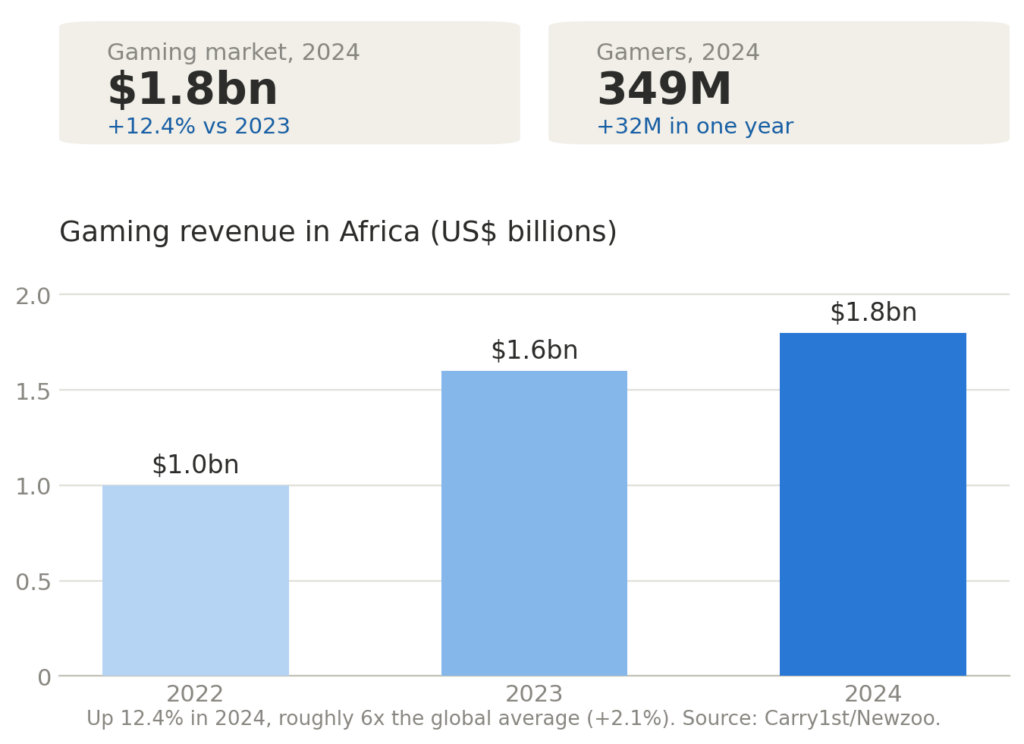
The numbers tell of a movement mid-acceleration, one that has taken the measure of its place on the world stage. In 2024 Africa counted roughly 349 million gamers, with an estimated 32 million of them new that year alone, and 87% playing on mobile. The gaming market cleared $1.8 billion, up 12.4% year on year: a clip about six times faster than the global average, which sits at 2.1%. This is a mobile-first Africa, one that’s marrying, at a run, the new paradigm Asia currently embodies best. It skips the PC-and-console chapter altogether and builds its competitive culture straight onto the phone, which is precisely the logic of the eFootball Mobile picked for the first e-CAN.
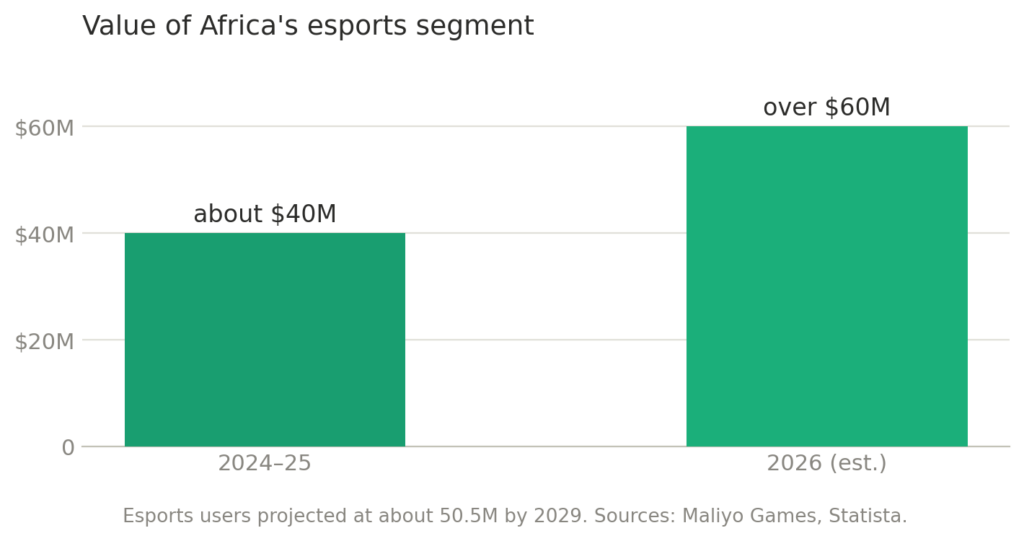
For a lot of small communities, the prize is simple: a step onto the international stage, a seat in the major global circuits. And it’s no daydream. Sizeable groups of fans already compete on the leading titles, and the esports segment, young as it still is, is valued at around $40 million, with projections north of $60 million by 2026. Esports users, meanwhile, are expected to reach 50.5 million by 2029.
Plenty to draw the eye, then. But the technical and technological gaps are real, and they still need closing. Internet penetration across the continent hovers around 43%, still under the global average of roughly 68%. Fibre reaches only so far. And in several countries, duties and import taxes on hardware inflate the prices, while latency punishes anything played in real time, making some online formats, fighting games among them, all but unworkable. It’s no accident, then, that the e-CAN landed in Morocco: the country with the highest internet penetration on the continent, north of 92%. Where the infrastructure holds, talent finds, at last, the stage it deserves.